More Than Comfort: How Smart Spaces Helped My Family Connect Without the Chaos
You know those evenings when everyone’s home but no one’s really together? I did too—until our living room started helping us actually connect. No, it didn’t grow a personality. But with a few thoughtful smart tools, the space between us got a little smaller, the routines a little smoother, and the moments a little more present. This isn’t about flashy gadgets. It’s about how technology, quietly working in the background, made our daily life feel more in sync—calmer, closer, and surprisingly effortless. And honestly? I didn’t expect it to change how we relate to each other. But it did. Not because we bought more stuff, but because we started using what we had in a more meaningful way. This is how our home became more than just a place to live—it became a space where we could truly be together.
The Quiet Chaos of “Together” Time
Remember those family photos where everyone’s smiling, laughing, maybe gathered around the dinner table? That’s how I always imagined our evenings would be. But reality looked very different. We were all under the same roof, yes, but emotionally, we were miles apart. My kids would come home from school, drop their backpacks, and immediately disappear into their phones. My partner, after a long day at work, would settle into the couch with his laptop, answering emails that never seemed to end. And me? I was in the kitchen, juggling dinner, homework questions, and the occasional sibling squabble—all while feeling completely alone in the middle of my own family.
It wasn’t loud or dramatic. There were no shouting matches or slammed doors. But there was a kind of emotional static in the air—a low hum of disconnection that I couldn’t ignore. We’d eat dinner, exchange a few polite sentences, and then scatter again. I’d look around the table and wonder: Is this it? Is this what family life has become? One night, after another nearly silent meal, I snapped a photo of our empty chairs and half-finished plates. Not for social media. Just for me. I needed to see it. And what I saw broke my heart a little. We weren’t just living together—we were drifting.
That moment changed everything. I didn’t want to yell more or enforce stricter rules. I didn’t want to ban screens or turn into the tech police. I wanted something softer, smarter. I started asking myself: what if the problem wasn’t us, but the space we were in? What if our home wasn’t helping us connect—it was actually making it harder? That’s when I began to wonder: could technology, the very thing pulling us apart, actually help bring us back together? Not by taking over, but by stepping in gently, like a quiet helper in the background?
Redefining the Living Room: From Entertainment Hub to Connection Zone
Our living room used to be all about screens. The TV was always on, even if no one was really watching. The couch faced forward like we were at a movie theater, not a home. And the lighting? Harsh overheads that made everything feel flat and lifeless. It wasn’t a place for connection—it was a screen cave. But I knew it could be more. This was the heart of our home, literally and emotionally. So I decided to reimagine it—not as a place to consume content, but as a space to create it. Real, human content. Laughter. Conversation. Presence.
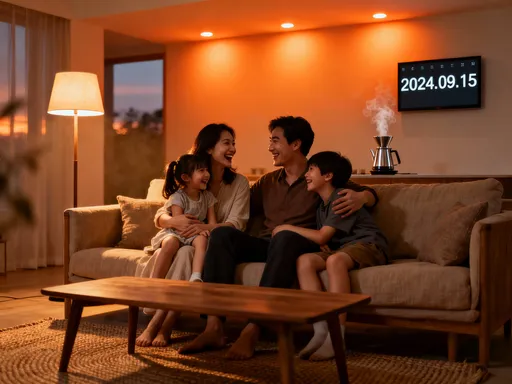
I started small. First, I added smart lighting with adjustable color temperatures. Instead of flipping a switch, we could set scenes. “Family Time” turned the lights warm and soft, like candlelight, signaling that this was a moment to slow down. “Movie Night” dimmed the overheads and added a gentle glow behind the TV. But the real shift came when we added a shared digital display—nothing flashy, just a slim screen on the wall that showed our family calendar, a daily quote, and rotating photos of us. It wasn’t distracting. It was grounding.
We also set up a voice-activated sound system with ambient zones. That means different areas of the room could have different audio levels. So if someone wanted to read in the corner, they wouldn’t have to wear noise-canceling headphones. And when we wanted music, we could play a shared playlist—something we picked together on Sunday nights. I’ll never forget the first time my daughter said, “Can we play that song Grandma loves?” That small moment told me we were building something real. The room wasn’t just smarter. It was warmer. It wasn’t replacing us. It was reflecting us.
The biggest change? We started lingering. Instead of rushing to our devices after dinner, we’d sit. Talk. Play a board game. Watch a show together with the volume lower and the conversation higher. The tech didn’t command attention. It created space for it. And in that space, we found each other again.
Coordinating Without Conflict: Shared Routines Made Simple
Mornings in our house used to feel like a battlefield. Alarms didn’t work. Backpacks were forgotten. Shoes were lost. I’d yell, “Did you pack your lunch?” only to hear, “I didn’t know I had soccer today!” from the top of the stairs. My partner would be stuck in a work call, the coffee was cold, and I was already exhausted by 7:30 a.m. We tried everything—color-coded charts, sticky notes on the fridge, even a family group chat that just added to the noise. Nothing stuck. The chaos felt inevitable. But was it?
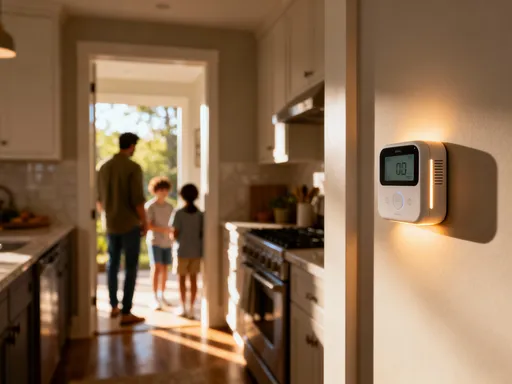
Then I discovered the power of connected routines. We linked our smart speakers, thermostats, lights, and calendars into a single morning flow. We gave it a name: “Sunrise Sync.” At 6:45 a.m., the lights in the kids’ rooms would begin to brighten slowly, mimicking sunrise. At 6:50, their favorite morning playlist—curated by them—would start playing at a low volume. Not a blaring alarm, but a gentle nudge. The coffee maker, synced to the same system, would start brewing. The thermostat would adjust to a cozy 72 degrees. And a calm voice from the kitchen speaker would say, “Good morning, everyone. Today is Wednesday. School starts at 8:15. Don’t forget your library books.”
It wasn’t magic. But it felt like it. No more yelling. No more panic. The kids started waking up more calmly, even humming along to their music. My son, who used to fight every morning, now says, “I like when my songs wake me up. It feels like the house is saying good morning to me.” And here’s the thing—because the routine was consistent and kind, they began to trust it. They didn’t resist. They responded.
The real win? We started eating breakfast together again. Not rushed, not silent, but actually talking. About dreams, about fears, about what they wanted to try in art class. The technology didn’t create those conversations. But it created the conditions for them. By removing the friction of the morning scramble, it gave us back time—and peace. And peace, I’ve learned, is the best foundation for connection.
The Kitchen That Helps Us Stay in Sync
The kitchen used to be my stress center. I’d open the fridge and find three bottles of ketchup, no milk, and a week-old grocery list buried under a magnet. Meal planning felt like a solo mission. I’d pick recipes based on what I thought everyone would eat, only to hear, “I don’t like that,” or “Can I just have cereal?” at dinnertime. Leftovers piled up. Groceries were wasted. And I felt unseen—like my effort didn’t matter.
Then I introduced a smart display on the counter—something simple, with a touchscreen and voice control. We started using a shared meal-planning app that let everyone add ideas. Every Sunday, we gathered for “Menu Meeting.” The kids could suggest tacos or grilled cheese, my partner could add his favorite chili recipe, and I could balance it all with nutrition and prep time. Once we locked in the week’s meals, the system generated a shopping list and sent it to our phones. No more forgotten ingredients. No more last-minute store runs.
But it wasn’t just about efficiency. It became a ritual. A moment of togetherness. The kids started getting excited: “Is it Menu Meeting day?” They’d debate which vegetables to include, or beg for homemade pizza. My daughter even started helping me shop—scanning items in the app as we walked through the store. And the best part? They began to appreciate the meals more. Because they had a say, they felt ownership. And when they sat down to eat, they weren’t just consuming food—they were sharing in something we’d created together.
The smart fridge didn’t cook for us. The display didn’t clean up. But they helped us communicate, plan, and care for each other in small, meaningful ways. One night, my teenager looked up from his plate and said, “This is my favorite meal we’ve made all month.” I almost cried. Not because the food was perfect, but because he saw the effort. He felt it. And in that moment, I knew—this was more than dinner. It was love, served on a plate.
Bedtime Peace: Calming Spaces for Better Evenings
Evenings used to be a battleground. The kids would be glued to their tablets, arguing over screen time limits. I’d say, “Ten more minutes,” only to hear, “But it’s the last level!” five times. My partner would be trying to unwind, but the blue light from the TV made it hard to relax. And I’d be cleaning up, feeling resentful and disconnected. By the time everyone finally went to bed, I was too wired to sleep. We weren’t winding down. We were winding each other up.
So we created a “Wind-Down Wave”—a series of gentle cues that signaled the day was coming to a close. At 7:30 p.m., the smart lights in the living room and bedrooms began shifting to warm, amber tones. The screens on our devices—phones, tablets, TV—automatically dimmed and switched to grayscale, making them less stimulating. A soft chime played, not loud, just noticeable. Then, at 7:45, a shared “goodnight” playlist started—songs we all loved, from lullabies to acoustic covers. Nothing too babyish. Just calming.
The kids didn’t fight it. In fact, they started looking forward to it. “The lights are changing—time to wind down!” one would say. They’d grab their books, put their devices away, and settle in. The thermostat adjusted to a cooler temperature, ideal for sleep. And for the first time in years, we started having real conversations during those quiet moments. My daughter told me about a friendship that was bothering her. My son shared a joke he’d learned at school. My partner and I held hands on the couch, not saying much, just being.
Bedtime wasn’t a chore anymore. It was a gift. A slow, intentional release from the day. And because we were all on the same rhythm, we fell asleep easier, woke up refreshed, and started the next day with more patience. The technology didn’t eliminate stress. But it helped us manage it—gently, consistently, together.
Tech That Adapts to Us—Not the Other Way Around
I’ll admit it—I used to worry that a smart home would feel cold. Like we’d be living in a robot hotel instead of a family home. I didn’t want to feel like I was programming a spaceship. I wanted warmth. I wanted soul. But what I’ve learned is that the best technology doesn’t take over. It adapts. It listens. We didn’t let the devices decide our lives. We told them what mattered to us—and they helped us live by those values.
We customized everything. The alert tones are soft chimes, not beeps. The morning music is chosen by the kids. The lighting scenes reflect our moods—“Calm,” “Focus,” “Celebrate.” If something felt too rigid, we changed it. If the coffee started brewing too early, we adjusted the time. The goal wasn’t perfection. It was harmony. And the most beautiful part? The tech became invisible. Not because it stopped working, but because it started blending in—like a good helper who knows when to step forward and when to step back.
I remember when my mom visited and said, “Your house feels so peaceful. Is it the decor? The lighting?” I smiled and said, “It’s the way we live now.” She didn’t see the sensors or the apps. She felt the calm. And that’s the point. When technology supports your rhythm instead of disrupting it, it stops being tech. It becomes care. It becomes love in action. It’s not about control. It’s about creating space for what matters most—each other.
Living Better, Together—The Real Reward
Looking back, I can see that the biggest change wasn’t in our home. It was in us. We’re more patient. We listen more. We laugh more. We’re not perfect—there are still messy days, forgotten homework, and moments of frustration. But now, we have tools that help us find our way back to each other. The smart spaces didn’t fix our relationships. They didn’t solve every problem. But they created the conditions for connection to grow. Less friction. More flow. More presence.
What I love most is that this isn’t some futuristic fantasy. It’s happening right now, in our ordinary home, with ordinary people. We didn’t need a fortune or a tech degree. We just needed intention. We asked ourselves: what do we want our home to feel like? And then we used technology—not to replace us, but to reflect us. To support us. To help us show up as the people we want to be.
When my daughter said, “I like how our house helps us be together,” I knew we’d done something right. It wasn’t the gadgets. It was the moments. The shared meals. The quiet talks. The way we now meet each other’s eyes instead of our screens. That’s the real reward. Not convenience. Not efficiency. But connection. Deep, simple, human connection. And if your home can help you find that—if it can help you feel seen, heard, and loved—then it’s not just smart. It’s wise. It’s warm. It’s home.