I used to waste half my weekend shopping: How group buying apps gave me back my Sundays
Remember that sinking feeling when Saturday morning turns into a grocery store marathon? I’d drive from store to store, overpay for last-minute items, and come home too tired to enjoy my weekend. Then I discovered community group buying tools—not flashy, but life-changing. They didn’t just save me money; they saved me time. Now, my weekends feel longer, lighter, and more intentional. No more rushing through crowded aisles or realizing I forgot the one ingredient I needed. Instead, I wake up to a text saying, "Your order’s been delivered." This is how they quietly transformed my routine—and could do the same for you.
The Weekend Trap: How Small Errands Eat Up Precious Free Time
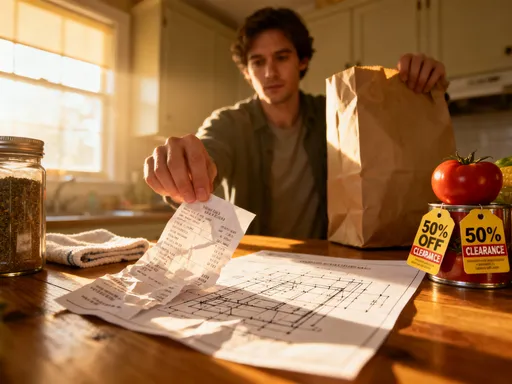
Let’s be honest—how many of us actually get to rest on weekends? We go into Saturday with big plans: maybe a long walk, a good book, or time with the kids doing something fun. But then reality hits. The pantry’s running low. The laundry detergent’s empty. Someone needs new socks. Before you know it, you’re making a list, checking it twice, and loading up the car for a circuit of stores that takes hours longer than expected.
I used to think this was just part of adult life—part of being a responsible mom and homemaker. But over time, I started noticing a pattern. My weekends weren’t just busy; they were broken. Chopped into pieces by errands that felt small on their own but added up to a full day of mental and physical effort. Driving to the supermarket, circling the parking lot, pushing a cart through crowded aisles, waiting in line, loading bags into the car, unloading them at home—it wasn’t just tiring, it was draining in a way I couldn’t quite name.
And it wasn’t just groceries. There were the last-minute school supplies, the forgotten birthday gift, the specialty ingredient for a recipe I was excited to try. Each one felt urgent in the moment, but together, they stole something much more valuable than money: my time and peace of mind. I’d come Sunday evening feeling like I hadn’t truly rested at all. The kids would ask, "Did we do anything fun this weekend?" and I’d struggle to answer. That’s when I realized: something had to change.
A Happy Accident: Discovering the Power of Shared Buying
It wasn’t some grand plan that led me to group buying. It was a simple message in my neighborhood WhatsApp group. "Join our veggie buy—fresh from the farm, delivery this Sunday. Order by Thursday night." I remember scrolling past it at first, assuming it was one more thing to think about. But then I paused. The week before, I’d driven 20 minutes to find organic carrots, only to be told they were out of stock. Again. So I clicked the link, skeptical but curious.
What I found was surprisingly simple. A list of items—vegetables, fruits, eggs, even honey—each with a price that looked too good to be true. I added a few things I actually needed, not just wanted, and paid through a secure link. No app download, no complicated setup. Just a few taps, and I was done. Two days later, a reminder popped up: "Final orders close tonight!" And then, on Sunday morning, a message: "Your box has arrived at the lobby." I went downstairs and picked up a sturdy cardboard container filled with everything I’d ordered—fresh, well-packed, and honestly, even better than what I usually get at the store.
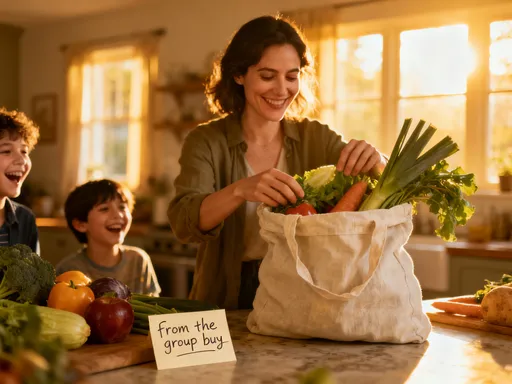
That first experience changed everything. I didn’t have to go anywhere. I didn’t overbuy. I didn’t waste time comparing brands or hunting for deals. And I saved money—about 15% on average, just by buying in bulk with others. But more than that, I felt… lighter. Like I’d been let in on a secret that made life just a little bit easier. I remember thinking, "Why didn’t I know about this sooner?" That single box of vegetables didn’t just feed my family—it gave me back a piece of my weekend.
How These Tools Actually Work (Without the Tech Jargon)
If you’re imagining some complicated app with dashboards, algorithms, and endless notifications, I get it. Tech can feel overwhelming, especially when you just want to get groceries. But the truth is, most community group buying platforms are designed to be simple—because they’re made by people like us, for people like us. There’s no tech magic, just smart organization.
Here’s how it usually works: one person in the neighborhood—maybe a mom, a retiree, or just someone who loves fresh food—steps up as the organizer. They connect with a local farm, bakery, or wholesaler and set up a weekly or biweekly order. Then, they share a link or a list in a group chat (like WhatsApp, Facebook, or a dedicated app). Everyone who wants to join adds their items by a certain deadline. Once the order is closed, the organizer places one big purchase, and the supplier delivers everything to a central pickup point—like the lobby of your building or a community center.
Payments are handled digitally, so no cash exchanges or IOUs. Most platforms use secure payment links or built-in tools that split costs automatically. You get a confirmation, a reminder, and a notification when your order arrives. That’s it. No chasing receipts, no remembering who paid for what. It’s like organizing a group lunch at work, except instead of sandwiches, you’re getting organic apples and free-range eggs.
What makes this work so well is the human element. The organizer isn’t a robot—they’re someone who cares about quality and community. They might add a personal note: "The strawberries are extra sweet this week!" or "Tomatoes are a bit firm—let them ripen at home." That kind of touch makes the whole experience feel warm and trustworthy. And because orders are collected in advance, there’s no waste. Farmers know exactly how much to grow, and we get fresher food with less packaging. It’s a win-win.
Reclaiming Time: What I Gained Back—and How I Use It Now
The first thing I noticed after joining my first group buy wasn’t the savings—it was the time. I did the math: before, I was spending about three hours every weekend on shopping-related tasks. That’s three hours of driving, parking, walking, loading, unloading, and decision-making. Now? I spend less than 10 minutes placing my order, usually while I’m sipping my morning tea. The delivery comes to me. No lines, no detours, no "Oops, I forgot the milk" trips.
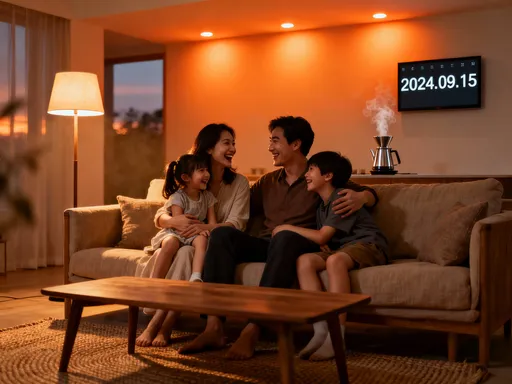
At first, I didn’t know what to do with that extra time. It felt strange, almost guilty, to have a few hours back. But slowly, I started filling them with things that actually mattered. I began cooking breakfast with my daughter on Saturday mornings—something we’d never done before because I was always rushing out the door. We’d chop fruit together, laugh about silly things, and enjoy pancakes without the clock ticking.
I also started reading again—real books, not just scrolling through my phone. I joined a small book club with other moms in the building, and we meet every other week with tea and cookies. None of that would have happened if I was still trapped in the shopping cycle. And perhaps most importantly, I started feeling less stressed. Knowing that my groceries were taken care of for the week gave me a sense of calm I hadn’t realized I was missing.
It’s not just about free time—it’s about mental space. When you’re not constantly managing small tasks, your mind feels clearer. You’re more present with your family. You’re more patient. You’re more you. I’ve even started taking short walks in the park, just because I can. That’s the real gift of group buying: it doesn’t just give you back hours. It gives you back your life, one quiet Sunday at a time.
Beyond Convenience: The Quiet Joy of Local Connection
Here’s something I didn’t expect: I started getting to know my neighbors. Not just names or faces, but real connections. When I picked up my order, I’d see Mrs. Lin from the third floor, who always includes a note: "Save the kale for me—I’ll grab it later." Or James from 4B, who once texted the group, "Anyone want an extra zucchini? Too many in my box!"
These small moments added up. We started sharing tips—how to store herbs so they last longer, which brand of almond butter the kids actually eat, where to find the best deals on toilet paper. Someone mentioned a great local bakery, and now half the group orders sourdough every other week. It felt like we were building something small but meaningful—a web of care and support, one grocery list at a time.
And it’s not just about us. We’re supporting local farmers and small producers who care about quality. The eggs come from a family-run farm an hour outside the city. The honey is raw and unfiltered, from bees that pollinate wildflowers in the countryside. When the organizer shares photos of the farm or introduces us to the growers, it makes me feel good about what I’m buying. It’s not faceless commerce—it’s food with a story.
In a world where we’re more connected than ever online but often feel so alone in real life, this kind of interaction matters. It’s low-pressure. No need to make small talk in an elevator or force a friendship. We’re brought together by something practical—food—but we end up building trust, one shared tomato at a time. It’s the kind of community I always hoped to be part of, but never knew how to create. Turns out, it started with a vegetable box.
Getting Started Without Overwhelm: A Simple 3-Step Guide
If you’re curious but hesitant, I get it. Change can feel scary, especially when it involves trying something new. But joining a group buy doesn’t have to be a big commitment. Think of it like dipping your toe in the water. Here’s how I’d suggest starting:
First, look for a group that already exists. Check your building’s notice board, neighborhood app, or social media groups. Most cities now have at least one active community buying group. If you don’t see one, ask! You’d be surprised how many people are waiting for someone to start one. Even if you don’t join right away, just reading the posts can help you understand how it works.
Second, start small. Don’t feel like you have to order a full week’s groceries on your first try. Pick one or two things you know you’ll use—maybe a bag of apples, a carton of eggs, or a loaf of bread. See how the process feels. Is the pickup convenient? Is the quality good? Do you like the payment system? There’s no pressure to keep going if it’s not a fit.
Third, observe and learn. Pay attention to how the organizer communicates, how orders are managed, and how people interact. You’ll pick up the rhythm quickly. And if you enjoy it, you can gradually add more items or even help organize a group yourself. But there’s no rush. The beauty of this system is that it meets you where you are. Whether you’re a busy mom, a working professional, or someone who just wants fresher food with less hassle, there’s a place for you.
Why This Isn’t Just a Trend—It’s a Smarter Way to Live
We live in a world that celebrates being busy. We wear exhaustion like a badge of honor. But what if the real luxury isn’t doing more—it’s doing less, with more meaning? Community group buying isn’t about cutting corners or chasing the cheapest price. It’s about making thoughtful choices that honor your time, your health, and your relationships.
It’s a quiet rebellion against the idea that we have to do everything ourselves. It says: I don’t have to drive across town for groceries. I don’t have to make every decision alone. I can trust my neighbors. I can support local growers. I can have fresh food without the frenzy.
And in that simplicity, there’s power. Power to slow down. Power to connect. Power to live with more intention. This isn’t just about shopping—it’s about reclaiming your weekends, your energy, and your sense of belonging. It’s about building a life that feels lighter, warmer, and more human.
So if you’re tired of spending your weekends running errands, I invite you to try something different. Look for a group. Place a small order. See how it feels to have your groceries show up—without you lifting a finger. Because you don’t have to choose between convenience and connection, savings and sanity. You can have both. And who knows? Your next Sunday might just be the first one in a long time that actually feels like rest.