I’ll just check one more thing – How my bedtime scroll finally gave me better health insights
We’ve all been there—lying in bed, phone in hand, telling ourselves, “Just five more minutes.” But what if that habit wasn’t stealing your sleep, but actually helping your health? I used to feel guilty about my nighttime screen time—until I discovered how quietly collecting data before bed transformed my mornings, my energy, and even my doctor visits. It turns out, those quiet nighttime moments can be the most powerful time to understand your body. What once felt like a bad habit became my most trusted health ritual.
The Late-Night Ritual That Felt Like a Guilty Pleasure
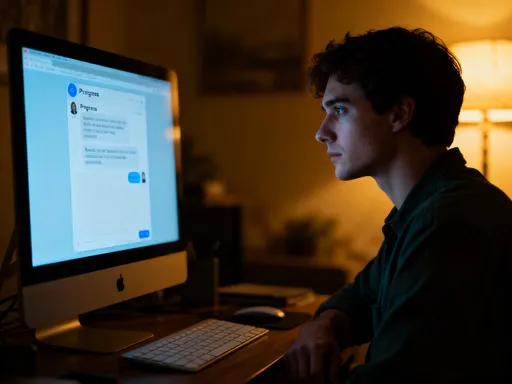
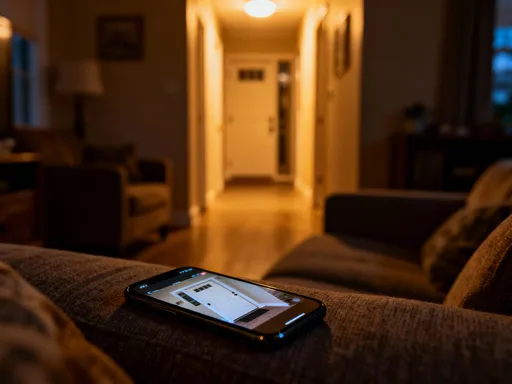
There’s something about the stillness of night that pulls us in. The house is quiet, the kids are asleep, and finally—finally—you have a moment to yourself. You grab your phone, not because you’re addicted, but because it’s the only time all day you get to breathe. Maybe you’re checking messages from a friend, scrolling through a cozy recipe blog, or watching a short video that makes you smile. It’s not chaos. It’s comfort.
And yet, we’ve all heard the warnings: blue light disrupts sleep, screens keep your brain awake, and bedtime scrolling is stealing your rest. I believed that too. For years, I tried to stop. I set phone curfews. I bought an old-school alarm clock. I even left my phone in the kitchen—only to sneak back downstairs at 11:30 p.m. because I missed that quiet connection. The guilt built up. I felt like I was failing at self-care, failing at sleep, failing at being the calm, centered mom I wanted to be.
But here’s what no one talks about: that late-night moment isn’t just about distraction. It’s about reflection. It’s the first time all day you can actually hear your own thoughts. And instead of fighting that natural rhythm, what if we could use it? What if, instead of seeing your phone as the enemy, you saw it as a tool—one that could help you tune in, not tune out?
From Mindless Scrolling to Meaningful Tracking
The shift started quietly. I was tired—constantly tired. Not the “kids kept me up” kind of tired, but the deep, dragging fatigue that made mornings feel like a battle. I’d drink coffee, then crash by 2 p.m. I’d feel anxious for no reason, then wonder why I snapped at my daughter over a spilled glass of milk. I wanted answers, but blood tests came back normal. My doctor said, “You’re probably just stressed.” But I needed more than a label.
One night, instead of opening Instagram, I opened a simple health app I’d downloaded months ago and forgotten. It asked three questions: How did you sleep? How’s your energy? How’s your mood? I tapped my answers—honestly. Not perfectly, not optimistically, but truthfully. And something clicked. For the first time, I wasn’t just feeling my day—I was seeing it.
I didn’t quit scrolling cold turkey. I just swapped one scroll for another. Instead of losing 20 minutes to random videos, I spent two minutes checking in with myself. At first, it felt silly. “Am I really going to rate my stress on a scale of 1 to 5?” But within a week, I noticed patterns. On nights I drank wine with dinner, my sleep score dropped. When I skipped lunch, my mood the next morning was lower. These weren’t dramatic revelations, but they were mine. And that made all the difference.
Why Bedtime Is the Smartest Time to Gather Health Data
Let’s be honest: mornings are chaos. You’re making lunches, packing backpacks, and trying to remember if you turned off the curling iron. The last thing you want to do is log your sleep quality or answer a series of thoughtful questions. By the time you sit down with your coffee, you’ve already forgotten how you actually felt when you woke up.
But at bedtime? That’s when your memory is sharpest. The day is fresh. You can still feel the tension in your shoulders from that stressful work call. You remember the joy of your son’s silly joke at dinner. You can honestly say whether you drank enough water or spent too long on your feet. This is real-time emotional and physical recall—and it’s gold for understanding your health.
Plus, there’s something sacred about the end of the day. You’re not trying to impress anyone. You’re not performing. You’re just you. That honesty matters. When you log your mood at night, you’re not saying what you think you should feel—you’re saying how you actually feel. And that’s where real insight begins.
Think of it like a nightly debrief. CEOs do it with their teams. Athletes do it with their coaches. Why shouldn’t you do it with yourself? This isn’t data for a doctor’s report (though it helps there too). It’s data for you—to help you live with more clarity, balance, and peace.
How Simple Inputs Turn Into Powerful Insights
You might be thinking, “But I’m just tapping a few buttons. How can that tell me anything meaningful?” I thought the same. But here’s the magic: technology doesn’t just collect data—it connects it. Over time, your simple nightly check-ins start to reveal patterns you’d never notice on your own.
For example, I never realized how much caffeine affected my sleep—until I saw the trend. On nights I had coffee after 2 p.m., my sleep quality dropped by nearly 30%. Not every time, but often enough for the app to flag it. Another time, I noticed my stress levels were consistently higher on weekends. That surprised me—shouldn’t weekends be relaxing? Then I realized: that’s when I do all the errands, clean the house, and host family. My “rest” days weren’t restful at all.
The app didn’t scold me. It didn’t say, “You’re doing it wrong.” It just showed me the truth. And that gentle clarity was more powerful than any lecture. I started shifting my coffee to earlier in the day. I blocked off one weekend afternoon for true rest—no chores, no pressure. Small changes, big results.
And it’s not just about sleep or stress. Some women in an online group I joined noticed their energy dipped every month at the same time. One mom realized her headaches always followed days when she skipped breakfast. Another found that her mood improved when she spent even 10 minutes outside. These aren’t breakthroughs from a lab—they’re personal discoveries, made possible by consistent, quiet reflection.
The technology works like a thoughtful friend who’s been quietly paying attention. It doesn’t interrupt your day. It doesn’t demand your time. It just says, “Hey, I noticed something. Want to take a look?” And when you do, you feel seen—not judged, not overwhelmed, but understood.
Real Changes in Daily Life—More Energy, Fewer Guesses
The first thing I noticed was my energy. I wasn’t dragging myself out of bed anymore. I wasn’t reaching for a second cup of coffee by 9 a.m. I felt… steady. My husband noticed. “You seem lighter,” he said. My daughter said, “You’re not yelling as much.” That stung—but it was true.
I wasn’t just feeling better. I was making better choices. When I saw that late dinners led to restless sleep, I started eating earlier. When I noticed that skipping workouts made my mood dip, I scheduled them like doctor’s appointments—non-negotiable. I wasn’t being “good” or “disciplined.” I was just responding to information that finally made sense.
Even my doctor visits changed. Instead of saying, “I don’t know, I just feel tired,” I could say, “Here’s my sleep data for the last four weeks. My deep sleep dropped after I started that new medication.” She listened. She adjusted my prescription. That never would’ve happened before.
And the emotional relief? Priceless. For years, I felt like I was guessing—guessing what to eat, guessing why I was tired, guessing how to be a better mom. Now, I don’t have to guess. I have data. I have patterns. I have clarity. It’s like finally having a map when you’ve been driving in the fog.
One friend told me she used her data to ask for a more flexible work schedule. Another shared it with her therapist to show how her anxiety spiked during certain times of the month. This isn’t just about health tracking—it’s about self-advocacy. It’s about having the evidence to back up what you’ve always known in your gut.
Making It Work Without Adding One More Task
I know what you’re thinking: “I don’t need one more thing on my to-do list.” And you’re right. That’s why this isn’t about adding a task—it’s about replacing one habit with another. You’re already picking up your phone. You’re already in that quiet space. Why not use those moments to care for yourself?
Start small. Try logging just one thing for a week—your sleep, your mood, or how much water you drank. Use voice notes if typing feels like too much. Say, “Today was a 7 out of 10. I felt tired after lunch, but the kids made me laugh at dinner.” Your phone can transcribe it and save it. Or use a one-tap rating system—just a quick tap to say how you’re feeling.
Link it to something you already do. After you brush your teeth, that’s your cue. Or when you plug in your phone to charge, that’s your reminder. Make it part of your wind-down, not a disruption to it.
And please—don’t aim for perfection. Missing a night? That’s fine. Forgetting for three days? No big deal. This isn’t about being flawless. It’s about being consistent over time. Even if you only log three nights a week, you’ll still see patterns. The goal isn’t data overload. It’s gentle awareness.
I love how one woman in my community puts it: “It’s not a chore. It’s a conversation with myself.” That’s exactly it. You’re not filling out a report. You’re checking in with the most important person in your life—you.
A Healthier You, One Night at a Time
Looking back, I realize I wasn’t failing at self-care by scrolling at night. I was just using that time in a way that didn’t serve me—yet. The habit wasn’t the problem. The use of the habit was.
Now, that same moment—the quiet, the stillness, the soft glow of the screen—has become my most powerful tool for well-being. I’m not just tracking data. I’m building a deeper relationship with myself. I’m learning to listen—to my body, my emotions, my needs.
And here’s the beautiful irony: by spending a few minutes on my phone at night, I’ve actually reclaimed my sleep, my energy, and my peace. I’m not fighting my habits anymore. I’m working with them. I’m using technology not to escape my life, but to live it—more fully, more clearly, more kindly.
You don’t need a fitness tracker, a strict diet, or a complicated routine. You just need a few quiet minutes and the willingness to pay attention. Because the truth is, you already have everything you need to feel better. You just need a way to see it.
So tonight, when you pick up your phone and whisper, “Just one more thing,” let that thing be you. Check in. Tap a few buttons. Answer one question. Let that small act be the start of something bigger—not because you’re fixing yourself, but because you’re finally honoring who you are.
And who knows? That “one more thing” might just be the thing that changes everything.