How I Fixed My Sleep with a Realistic Exercise Routine
Sleep used to be my biggest struggle—tossing and turning, waking up tired, feeling drained all day. I tried everything until I discovered the powerful link between movement and rest. It wasn’t about intense workouts, but a smart, consistent exercise plan that actually improved my sleep quality. This is how I built a sustainable routine that finally gave me the deep, restful sleep I’d been missing—no magic, just science and small changes that added up.
The Sleep Struggle: Why So Many of Us Can’t Rest Well
Poor sleep is one of the most common health complaints among adults, especially women between the ages of 30 and 55. This life stage often brings multiple responsibilities—managing households, raising children, caring for aging parents, and maintaining careers—all of which can take a toll on rest. Many women report lying awake at night, their minds racing with unfinished tasks or unresolved worries. Even when they do fall asleep, the quality is often light and fragmented, leaving them exhausted the next day.
Chronic sleep disruption affects more than just energy levels. It impairs concentration, weakens the immune system, and increases the risk of long-term conditions such as high blood pressure, type 2 diabetes, and mood disorders. The Centers for Disease Control and Prevention (CDC) recommends that adults get at least seven hours of sleep per night, yet nearly one in three adults fails to meet this guideline. For many, the root causes are not medical but behavioral—lifestyle patterns that quietly undermine sleep without immediate consequences.
Sedentary living is a major contributor. With more jobs moving online and daily routines centered around screens, many people spend long hours sitting. Physical inactivity disrupts the body’s natural sleep-wake cycle, reducing the drive to sleep at night. At the same time, exposure to blue light from phones, tablets, and computers in the evening suppresses melatonin, the hormone responsible for signaling sleep. Irregular sleep schedules, late-night eating, and caffeine consumption further compound the problem.
What many overlook is that physical activity is not just beneficial for fitness—it’s essential for sleep regulation. Movement helps reset the body’s internal clock, reduces stress hormones, and promotes the physiological conditions needed for deep, restorative rest. Unlike sleep medications, which can have side effects and lead to dependency, exercise offers a natural, sustainable way to improve sleep without risk. The key is not intensity, but consistency and timing. The right kind of movement, done at the right time, can be one of the most effective tools for reclaiming rest.
Exercise and Sleep: What Science Actually Says
Decades of research confirm that regular physical activity improves both the duration and quality of sleep. A 2020 meta-analysis published in the journal Sports Medicine reviewed over 100 studies and found that individuals who engaged in moderate exercise fell asleep faster, spent more time in deep sleep, and experienced fewer nighttime awakenings. These benefits were observed across age groups and were especially pronounced in middle-aged adults with mild to moderate insomnia.
The science behind this connection lies in several interconnected systems. First, exercise raises core body temperature during activity, and the subsequent drop a few hours later signals the brain that it’s time to sleep. This mimics the natural cooling process that occurs in the evening and helps align the circadian rhythm—the body’s internal 24-hour clock—with the external environment. Second, physical activity reduces levels of cortisol, the primary stress hormone. High cortisol at night is a common barrier to sleep, keeping the mind alert and the body tense. Exercise helps metabolize excess cortisol, promoting a calmer state conducive to rest.
Another key factor is the effect of movement on brain chemistry. Exercise increases the production of serotonin and endorphins, neurotransmitters linked to mood regulation and relaxation. Over time, this can reduce symptoms of anxiety and low mood, both of which are strongly associated with sleep disturbances. Additionally, regular activity improves breathing efficiency and strengthens the cardiovascular system, which can reduce the frequency and severity of sleep-disordered breathing, such as snoring or mild apnea.
It’s important to note that exercise is not a quick fix. Unlike sleeping pills, which may induce drowsiness within hours, the sleep benefits of physical activity develop gradually. Studies show that improvements in sleep quality typically emerge after about four to six weeks of consistent effort. The type of exercise matters less than regularity—whether it’s walking, swimming, cycling, or strength training, the cumulative effect is what counts. However, timing and intensity do play a role. Morning and afternoon workouts are generally more supportive of sleep than vigorous evening exercise, which can overstimulate the nervous system and delay sleep onset.
My Turning Point: When I Connected Movement to Better Rest
Like many women in midlife, I had accepted poor sleep as a normal part of my routine. I blamed it on stress, hormonal changes, and the demands of daily life. I tried herbal teas, sleep apps, and blackout curtains, but nothing brought lasting relief. Then, during a routine doctor’s visit, my physician asked about my activity level. I admitted I barely moved beyond walking from the car to my desk. She didn’t prescribe medication—instead, she suggested a simple experiment: walk 20 minutes a day, five days a week, and track how I felt after a month.
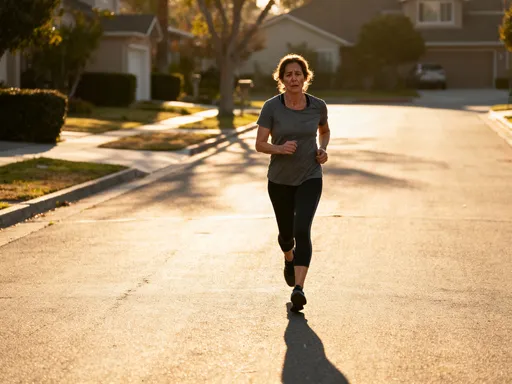
Skeptical but willing to try, I started walking after dinner. At first, it felt like just another chore. But within two weeks, I noticed subtle changes. I felt less restless at bedtime. My mind wasn’t racing as much. I began falling asleep within 20 minutes instead of lying awake for an hour. After three weeks, I woke up only once per night, if at all, and felt more alert in the morning. These weren’t dramatic transformations, but they were consistent and measurable.
The real turning point came when I added light strength training twice a week. I used resistance bands at home and followed a 15-minute routine in the morning. Within a month, my sleep efficiency—the percentage of time in bed actually spent sleeping—improved from 78% to 91%. I no longer needed caffeine to get through the afternoon. My mood stabilized, and I felt more in control of my day. This wasn’t a miracle cure, but a slow, steady shift that built on itself. I realized that movement wasn’t just helping me sleep—it was improving my overall well-being.
What surprised me most was how little effort it took to see results. I wasn’t training for a marathon or spending hours at the gym. I simply moved my body regularly, at a pace that felt sustainable. The consistency mattered more than the intensity. Over time, exercise became less of a task and more of a ritual—a way to honor my body and prepare it for rest. It taught me that small, repeatable actions, when done daily, can create profound change.
Building a Sleep-Friendly Exercise Plan: The 4-Part System
Based on my experience and supported by sleep science, I developed a four-part system that balances different types of movement to support rest. This plan is designed to be realistic for busy adults, especially women juggling multiple roles. It doesn’t require special equipment, a gym membership, or hours of free time. Instead, it focuses on integration—finding ways to move naturally throughout the day.
The first component is daily movement. This includes any activity that gets you on your feet and slightly increases your heart rate. Walking is the foundation. A 20- to 30-minute walk after dinner, preferably outdoors, combines physical activity with exposure to natural light, which helps regulate circadian rhythms. Even on rainy days, pacing around the house while talking on the phone or doing light chores counts. The goal is not to burn calories but to signal to the body that it’s been active, creating a natural sleep drive by bedtime.
The second part is strength training. Building muscle supports metabolic health and improves sleep quality over time. Two to three sessions per week, lasting 15 to 20 minutes, are sufficient. Bodyweight exercises like squats, lunges, and modified push-ups, or resistance band routines, can be done at home. Strength training in the morning or early afternoon helps boost energy and alertness during the day, which in turn supports deeper sleep at night. It also increases growth hormone production during sleep, enhancing tissue repair and recovery.
The third component is cardiovascular activity. This doesn’t mean running or intense spinning classes. Moderate cardio—such as brisk walking, cycling, or swimming—done for 20 to 30 minutes, three times a week, is enough to support heart health and sleep regulation. The key is consistency, not speed or distance. Many women find that weekend hikes or family bike rides fit naturally into their schedules and provide both physical and emotional benefits.
The final part is the wind-down routine. This involves gentle movement in the evening to relax the nervous system. Stretching, yoga, or tai chi for 10 to 15 minutes before bed can reduce muscle tension and quiet the mind. These activities activate the parasympathetic nervous system, which governs rest and digestion. Unlike vigorous exercise, they do not raise heart rate or body temperature, making them ideal for nighttime. Incorporating slow breathing or mindfulness during these movements enhances their calming effect.
Timing Matters: When to Move (and When Not To)
When you exercise can be just as important as how much you move. The body’s response to physical activity changes throughout the day, influenced by circadian rhythms. Morning exercise, especially when combined with natural light exposure, helps set the internal clock. It increases alertness, improves mood, and strengthens the signal that morning is for activity and night is for rest. A short walk outside within an hour of waking can be particularly effective in reinforcing this cycle.
Afternoon workouts, between 2 p.m. and 5 p.m., align with the body’s natural peak in muscle strength and endurance. This is an ideal window for strength training or moderate cardio. The physical exertion during this time helps burn off excess energy and reduces stress accumulated during the day. The post-exercise drop in body temperature a few hours later supports sleep onset, making it easier to fall asleep at night.
Evening activity requires more caution. While light movement such as walking or stretching is beneficial, high-intensity workouts within two to three hours of bedtime can interfere with sleep. Vigorous exercise raises heart rate, body temperature, and adrenaline levels, which may delay the onset of sleep, especially in people who are already prone to insomnia. For those who prefer to exercise later, it’s best to keep the intensity low and focus on flexibility and relaxation.
For women with unpredictable schedules, the key is flexibility. A busy mother might do a 10-minute home workout during nap time, while a working professional might take a brisk walk during lunch. The goal is to find a rhythm that fits your life. A sample daily timeline might include a 15-minute morning stretch, a 25-minute walk after dinner, and a 10-minute evening yoga session. This approach ensures movement is spread throughout the day, supporting both energy and rest without overwhelming the schedule.
Overcoming Common Barriers: Motivation, Time, and Fatigue
Many women hesitate to start an exercise routine because they feel too tired, too busy, or too overwhelmed. These are real and valid concerns. Chronic fatigue, especially when linked to poor sleep, can make even small efforts feel impossible. The idea of adding another task to an already full day can seem counterproductive. But the truth is, movement can actually reduce fatigue over time by improving sleep, boosting energy, and enhancing mood.
One effective strategy is habit stacking—linking a new behavior to an existing one. For example, doing five minutes of stretching while the coffee brews, or walking around the block after dropping the kids at school. These micro-workouts add up and help build momentum. Research shows that even short bursts of activity, repeated throughout the day, provide measurable health benefits. The American Heart Association recognizes that three 10-minute walks are just as effective as one 30-minute session.
Another approach is to redefine what counts as exercise. It doesn’t have to be structured or intense. Gardening, dancing while cooking, or playing with children all qualify as physical activity. The goal is to increase overall movement, not to achieve a certain fitness level. For those who dislike the gym, home-based routines using online videos or apps offer privacy and convenience. Many free, low-impact programs are designed specifically for beginners and require no equipment.
Motivation often follows action, not the other way around. Instead of waiting to feel ready, start small—just 10 minutes a day. Focus on consistency, not perfection. Missing a day is not failure; it’s part of the process. Over time, the benefits—better sleep, more energy, improved mood—become their own motivation. Progress may be slow, but it compounds. A woman who walks 10 minutes a day for a month will likely sleep better, feel calmer, and have more stamina than she did before.
Beyond the Body: How Movement Calms the Mind for Deeper Sleep
The benefits of exercise extend far beyond the physical. For many women, the greatest barrier to sleep is not physical discomfort but mental unrest. Racing thoughts, worry, and emotional fatigue can keep the mind active long after the body is ready for rest. Physical activity serves as a natural form of mental regulation, helping to clear the mind and reduce rumination—the repetitive, negative thinking that often accompanies stress and anxiety.
Exercise creates a healthy distraction, shifting focus away from daily concerns and into the present moment. The rhythmic motion of walking, the focus required for strength training, or the flow of a yoga sequence can act like moving meditation. These activities encourage mindfulness—the practice of paying attention to the breath, body sensations, and surroundings without judgment. Over time, this mental shift supports better sleep hygiene by training the brain to disengage from stress and enter a state of calm.
Spending time in nature while being active enhances these effects. A walk in the park, a hike on a trail, or gardening in the backyard combines movement with exposure to green spaces, which studies show can lower cortisol levels and improve mood. Even urban environments with trees and open spaces offer benefits. The combination of physical activity and nature creates a powerful synergy for mental and emotional well-being.
For women navigating midlife transitions, exercise can also provide a sense of control and self-care. It’s a daily promise to oneself—a way to prioritize health in the midst of competing demands. This psychological benefit reinforces the physical improvements, creating a positive feedback loop. As sleep improves, mood stabilizes, and energy increases, making it easier to stay active, which in turn supports better sleep. The cycle becomes self-sustaining, rooted in small, intentional choices.
Conclusion: A Sustainable Path to Restful Nights
Improving sleep doesn’t require drastic changes or expensive solutions. For many women, the answer lies in a simple, consistent exercise routine that aligns with their lifestyle and biology. Movement is not a substitute for medical treatment when sleep disorders are present, but for the vast majority dealing with mild to moderate sleep issues, it is a foundational and accessible tool. The evidence is clear: regular, moderate physical activity enhances sleep quality, reduces nighttime awakenings, and supports overall health.
The journey to better rest is not linear. Results vary from person to person and build gradually over time. What matters most is consistency, not perfection. Starting with just 10 minutes of daily movement can set the stage for meaningful change. Whether it’s a walk after dinner, a morning stretch, or a weekend family outing, every effort counts. The goal is not to achieve a fitness ideal but to create conditions in the body and mind that welcome sleep.
This approach is sustainable because it is flexible, realistic, and kind. It doesn’t demand hours of effort or extreme discipline. Instead, it invites small, repeatable actions that fit into real life. Over time, these actions reshape habits, improve well-being, and restore the natural rhythm of rest and activity. Better sleep is not a luxury—it’s a necessity, and exercise is one of the most powerful ways to reclaim it.
As with any health concern, women experiencing persistent sleep difficulties should consult a healthcare professional to rule out underlying conditions. But for those ready to take the first step, movement offers a safe, science-backed path forward. The quiet transformation begins not with a grand gesture, but with a single step—literally. And with each step, the promise of restful nights grows stronger.